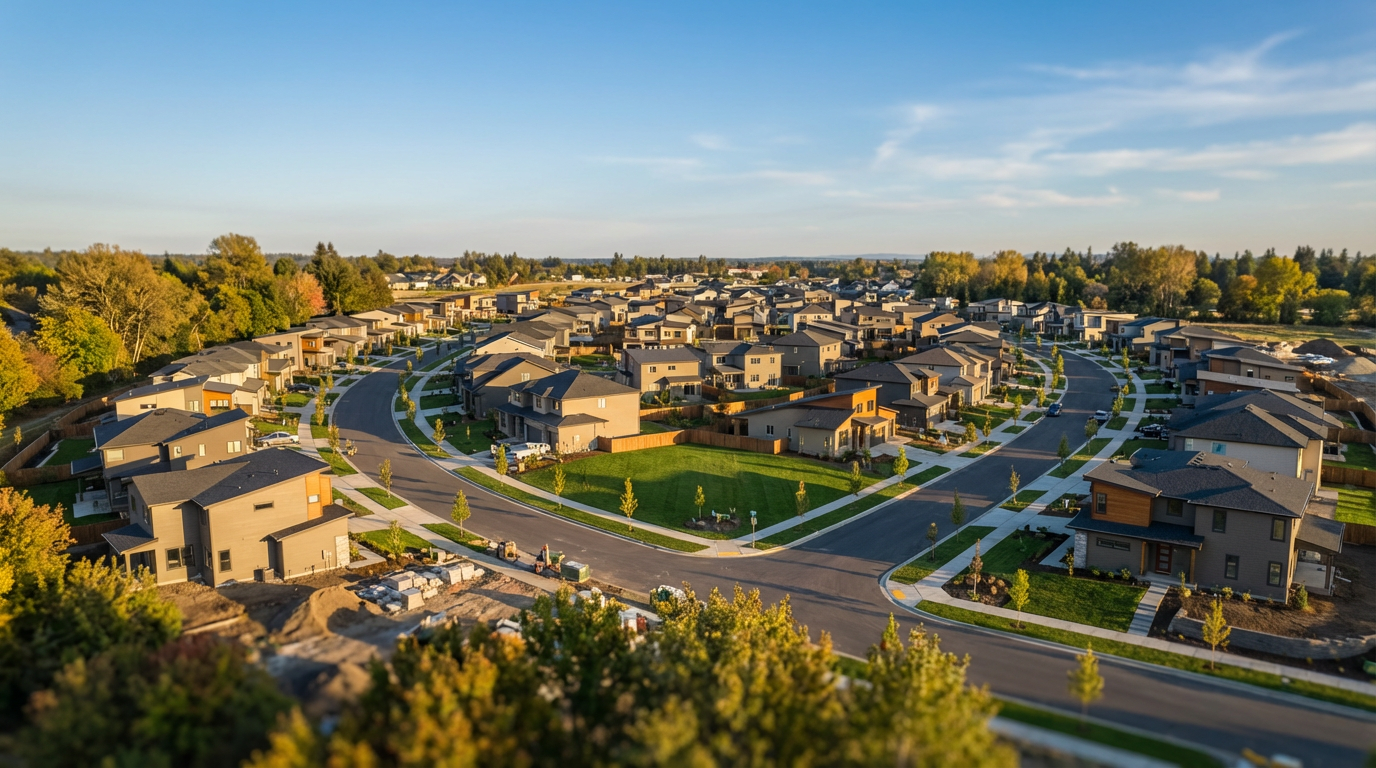
Buying a home in Newark NJ requires balancing a median listing price of approximately $610,000 with various first-time buyer assistance programs and land bank initiatives. Prospective owners should prioritize getting pre-approved for financing while exploring state-funded down payment grants and local homebuyer education courses to navigate the market effectively. This process involves evaluating specific neighborhoods and conducting thorough property inspections to ensure a sound long-term investment.
Buying your first home in Newark, NJ can feel overwhelming, especially when you are navigating a competitive market, unfamiliar neighborhoods, and a stack of financial decisions you have never faced before. Newark is one of the most dynamic real estate markets in the tri-state area right now, and first-time buyers who go in without a clear strategy often overpay, miss out on available grants, or get caught off guard by costs they never saw coming. This guide is built to change that. You will learn how the 2026 Newark housing market actually works, which neighborhoods deserve your attention, how to get pre-approved with confidence, and exactly what programs exist to put money back in your pocket before you even close.
What First-Time Buyers Need to Know About the Newark Housing Market in 2026
The Newark housing market in 2026 is active, uneven, and unforgiving to unprepared buyers. According to Realtor.com data, median listing prices in Newark hover around $610,000, a figure that can stop first-timers in their tracks. But that number tells only part of the story. Specific neighborhoods offer entry points well below that median, and understanding where to look is what separates a successful search from a frustrating one.
Inventory remains tight across the city. When desirable properties hit the market, they attract multiple offers quickly. Buying a home in Newark NJ requires a level of preparation that simply wasn't as critical five years ago.
So is early 2026 a good time to buy? The honest answer depends on your situation. Newark rents have climbed steadily, making ownership increasingly attractive from a monthly cost standpoint. But buyers who aren't pre-approved, don't have their finances organized, and haven't studied the market will likely lose out to those who do.
It's also worth noting that Newark operates differently from suburban Essex County or Bergen County markets. Price dynamics here are shaped by transit access, neighborhood-level demand, and ongoing city revitalization, not just broad NJ trends. Treat it as its own market.
Newark Neighborhoods Worth Knowing: Where to Focus Your Search
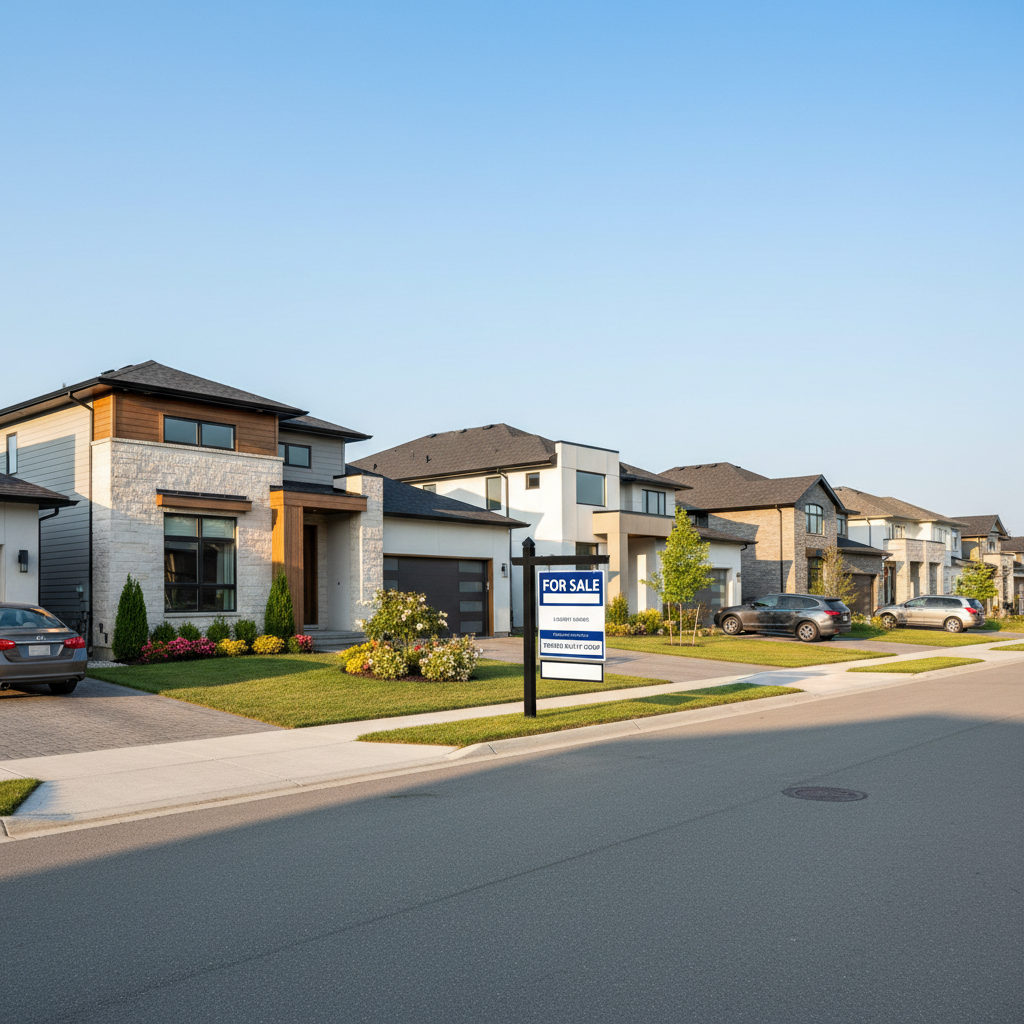
With the market context established, the next step is knowing where to actually look. Newark is not a monolithic market. Prices, competition levels, and buyer profiles vary significantly from one neighborhood to the next, and matching your budget to the right area is one of the most practical things you can do early in your search.
Ironbound and Forest Hill sit at the top of the desirability ladder. These neighborhoods combine walkable streets, a strong residential feel, and direct access to Newark Penn Station, making them a consistent draw for Manhattan commuters. That demand comes with a price. Buyers working with a budget around $330,000 will find themselves largely priced out of this area. Ironbound inventory in that range is scarce, and when it appears, competition is immediate.
North Ward offers a more accessible alternative. The neighborhood has established residential blocks, a mix of single-family homes and multi-family properties, and pricing that gives first-time buyers more room to negotiate. It is worth prioritizing if you want proximity to the city core without Ironbound price points.
South Ward and Weequahic represent the lowest entry points among Newark's established neighborhoods. Renovation activity has picked up here, and buyers willing to take on a property that needs cosmetic work can find real value. These areas reward buyers who are patient and have a clear-eyed view of what they are purchasing.
For buyers open to additional options, the Newark Land Bank makes renovated and affordable properties available in several neighborhoods across the city. Their inventory is worth reviewing early, particularly for buyers using assistance programs. Proximity to Penn Station remains a consistent value driver across all Newark neighborhoods, so factor commute access into every comparison you make.
How to Get Pre-Approved and Set a Realistic Budget for Newark
Knowing your neighborhood is only useful if you know what you can actually spend. Financial preparation for buying a home in Newark NJ requires more precision than most generic guides suggest, because the cost picture here extends well beyond the purchase price.
Start with your credit score. A 620 is the floor for FHA loan eligibility, but buyers at that threshold will pay higher rates over the life of the loan. A score of 740 or above puts you in range for the most competitive conventional rates. If you are below 700, spending a few months paying down revolving debt before applying is often worth the delay.
On income, a useful benchmark: to comfortably afford a $500,000 home, most lenders want to see a household income in the range of $100,000 to $120,000, assuming standard debt loads. Down payment options include 3.5% with an FHA loan or as low as 3% on some conventional products, but those minimums do not account for what Newark buyers actually need to budget.
Property taxes here are a significant line item. Newark and Essex County taxes average roughly 2.5% to 3% of assessed value annually, which on a $400,000 property translates to $10,000 or more per year. Add closing costs of 2% to 5% of the purchase price, and a buyer putting 3.5% down may need to bring significantly more cash to the table than they initially expect.
Pre-approval is not optional in this market. Sellers in competitive Newark neighborhoods will not take an unverified offer seriously, and touring homes without it wastes everyone's time, including yours.
NJ and Newark First-Time Home Buyer Programs and Grants You Should Apply For

Once your budget is in order, the next step is identifying money you may not have to spend out of pocket. New Jersey has a more robust set of buyer assistance programs than most states, and Newark-area buyers are well-positioned to access several of them.
NJ HMFA Road Home NJ Program is the starting point for most first-time buyers. Administered by the New Jersey Housing and Mortgage Finance Agency, it provides down payment and closing cost assistance paired with a competitive first mortgage. Income limits for Essex County cap around $150,000 for a household of one or two, and the home must be your primary residence. To qualify, you also need to complete a HUD-approved homebuyer education course before closing.
The $25,000 First-Time Homebuyer Grant is the program most buyers search for, and it does exist, though eligibility is specific. Requirements include income limits aligned with the HMFA thresholds above, primary occupancy, and documented completion of a homebuyer education course. This is not a loan; qualifying buyers do not repay it as long as they remain in the home for the required period. Confirm current availability with an HMFA-participating lender, as funding is allocated periodically.
Newark Land Bank serves a different function. It is not a grant program but a city resource that makes renovated and affordable properties available to buyers, often at below-market prices, with connections to counseling services and HMFA mortgage programs. If you are open to properties in neighborhoods still seeing revitalization, their inventory deserves a look early in your search.
FHA loans remain the most practical financing tool for buyers with moderate credit or limited savings. At 3.5% down and a 620 minimum credit score, they are accessible to a wider range of buyers than conventional products and pair well with the state assistance programs above.
HUD-approved homebuyer counseling is free to access and required for most grant eligibility. Beyond the paperwork requirement, the sessions are genuinely useful; counselors review your full financial picture and walk through Newark-specific costs that can catch buyers off guard. Complete this step early, before you are deep into your property search.
The Newark Home Buying Process Step by Step: From Offer to Closing

With your financing in place and programs identified, the process of actually securing a property begins. Buying a home in Newark NJ involves several NJ-specific steps that generic guides skip entirely, and first-timers who encounter them unprepared lose time, money, or both.
Making a competitive offer in Newark's tighter neighborhoods means coming in clean and credible. That includes your pre-approval letter, a reasonable earnest money deposit, and in some cases an escalation clause that automatically increases your offer up to a set ceiling if competing bids arrive. Sellers here also respond to flexible closing timelines; if you can accommodate their preferred date, it matters.
New Jersey's attorney review period is the step that most consistently blindsides buyers from out of state or first-timers who skipped the fine print. After both parties sign a purchase contract, a mandatory 3-business-day window opens during which either side can void the agreement, for any reason, without penalty. This is not a negotiating tactic; it is a legal requirement. Use it to have your attorney review every line before it closes.
Home inspection is non-negotiable given Newark's older housing stock. Common findings include knob-and-tube or aluminum wiring in pre-1970s homes, basement water intrusion tied to aging drainage systems, and roof conditions that vary significantly block by block. Budget for the inspection and take the findings seriously before waiving contingencies.
Appraisal gaps are a real risk when you have bid above asking price. If the property appraises below your offer, you will need to negotiate with the seller, cover the difference in cash, or walk away. Know your ceiling before this happens, not after.
Closing in NJ typically runs 45 to 60 days from accepted offer. Municipal requirements, title searches, and lender timelines all affect that window. A local agent with direct experience in Newark's paperwork and city-specific compliance requirements keeps that process on track. Contact a Brixford agent if you want guidance from someone who works this market specifically.
Newark Property Taxes and Hidden Costs First-Time Buyers Often Overlook
Closing day tends to surface costs that buyers did not build into their original budget, and in Newark, the gap between purchase price and true monthly carrying cost can be substantial. Getting clear on these numbers before you make an offer is the move.
New Jersey has the highest property taxes in the country, and Essex County is among the pricier counties within the state. Before making any offer, look up the property's tax history directly through the Essex County tax records portal. This takes ten minutes and tells you exactly what the current owner has been paying, which is far more useful than an estimate. Assessed values and actual tax bills do not always align with market price, so verify the specific parcel rather than relying on neighborhood averages.
After closing, owner-occupants can apply for NJ's Homestead Benefit program, a state tax relief credit that partially offsets annual property tax liability. It does not eliminate the burden, but first-time buyers should file for it as soon as they are eligible.
Beyond taxes, build these into your monthly calculation:
PMI: Required if your down payment is below 20%, typically adding $100 to $200 monthly on a $400,000 loan
HOA fees: Newark's newer condo and townhouse developments commonly carry monthly fees ranging from $200 to $500 or more
Homeowner's insurance: NJ averages $1,000 to $1,500 annually, though older properties or those with deferred maintenance may run higher
Each of these line items is predictable with the right research upfront.
Is Buying in Newark a Smart Investment? What the Data Says

The carrying costs covered in the previous section lead directly to the question most buyers are quietly asking: is buying a home in Newark NJ actually worth it?
From Brixford's perspective, the answer is yes, but with conditions that matter.
Newark's proximity to Manhattan is a structural advantage that does not disappear with market cycles. Direct NJ Transit access via Newark Penn Station puts buyers within 20 minutes of Midtown, and that commute value is priced into property demand in a way that supports long-term appreciation. Areas like the Broad Street Station district and the Ironbound have seen sustained revitalization investment, which tends to pull surrounding property values upward over time.
The rent-versus-own math also tilts toward ownership for buyers who can qualify. A comparable Newark rental running $2,000 to $2,500 per month builds no equity. At a similar monthly cost, a mortgage payment does.
That said, the risks are real. Property taxes are a permanent carrying cost that compresses net returns. Appreciation is uneven across neighborhoods; some blocks have moved significantly, others have not. Buyers who need to sell within two or three years may not recover transaction costs.
The five-year rule applies here more firmly than in many markets. Commit to that horizon, contact a Brixford agent to identify the right neighborhood for your budget, and the investment case for Newark holds up well.
Navigating the Newark housing market requires a blend of patience, financial preparation, and local insight. By understanding the neighborhood dynamics and securing your financing early, you set yourself up for long-term success in this vibrant city. While the process is rewarding, managing every detail on your own can be overwhelming. If you want expert help navigating these complexities, our team at Brixford is ready to assist. You can learn more about how we support buyers by exploring our Services to find the right fit for your journey.